Day 1- Reggio Emilia Study Tour 2026
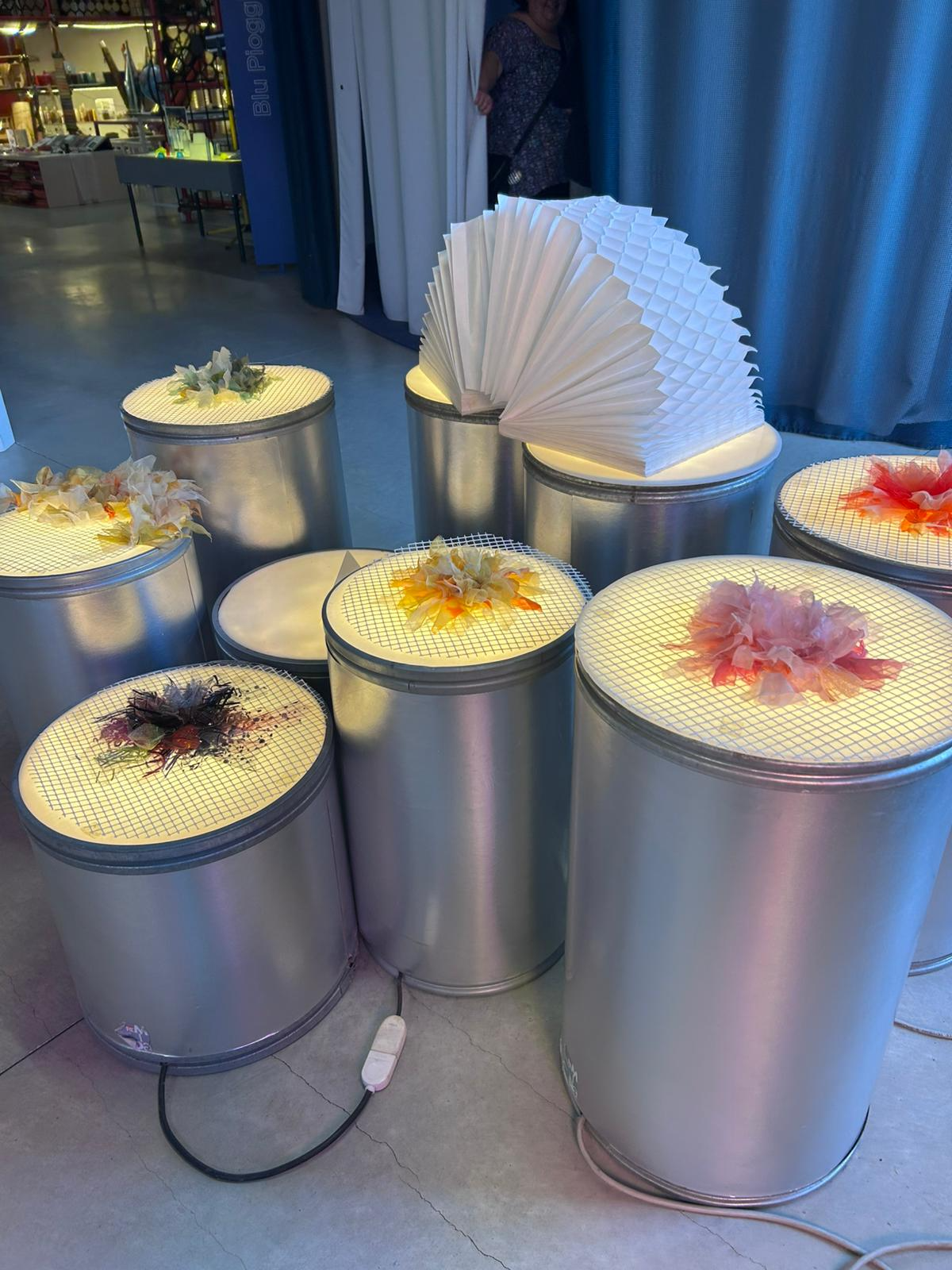
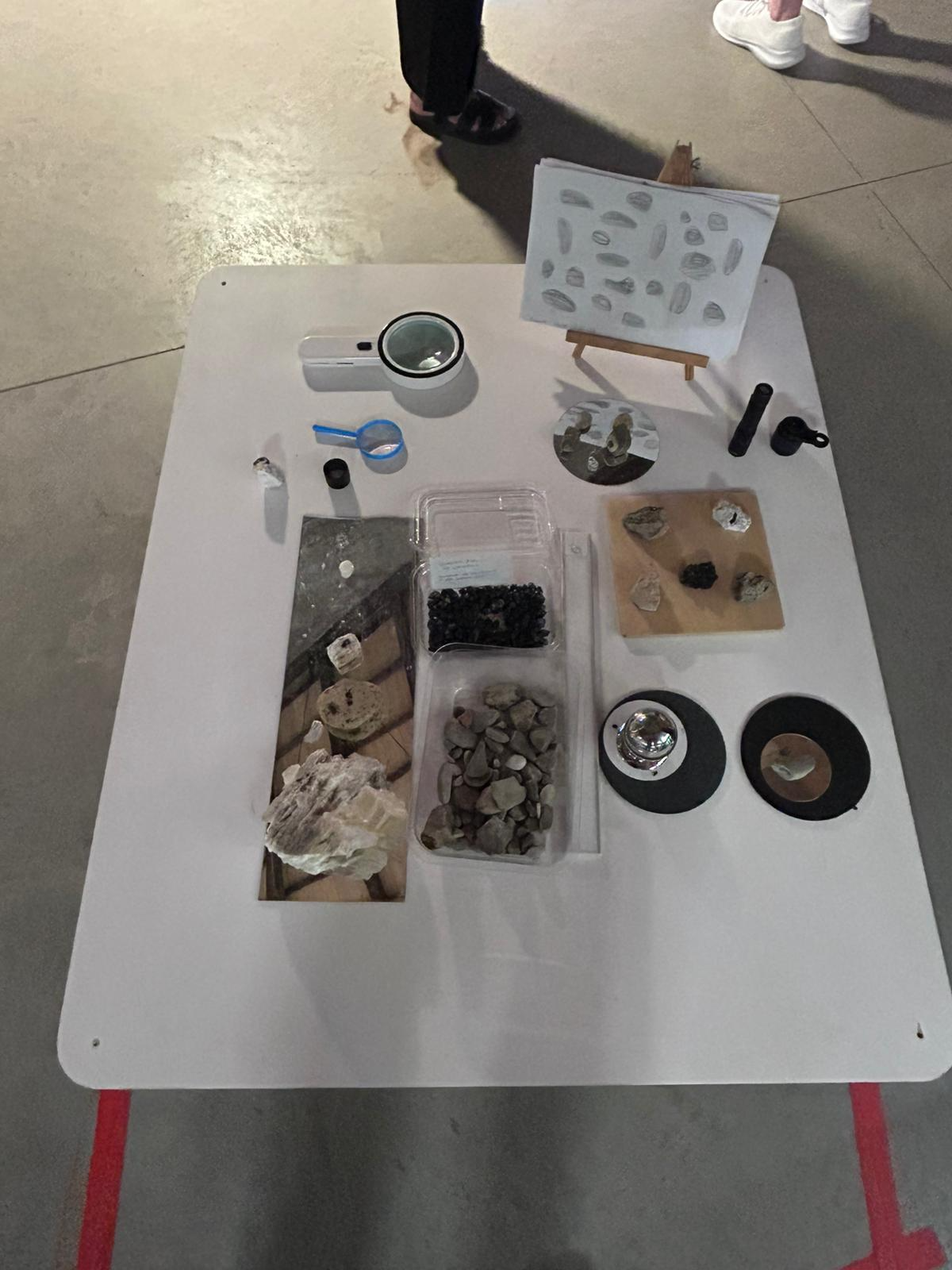
What if we thought of "waste" materials as educational resources? As meaningful materials and tools?
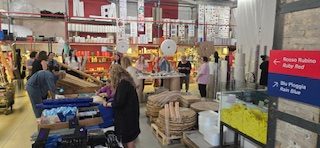
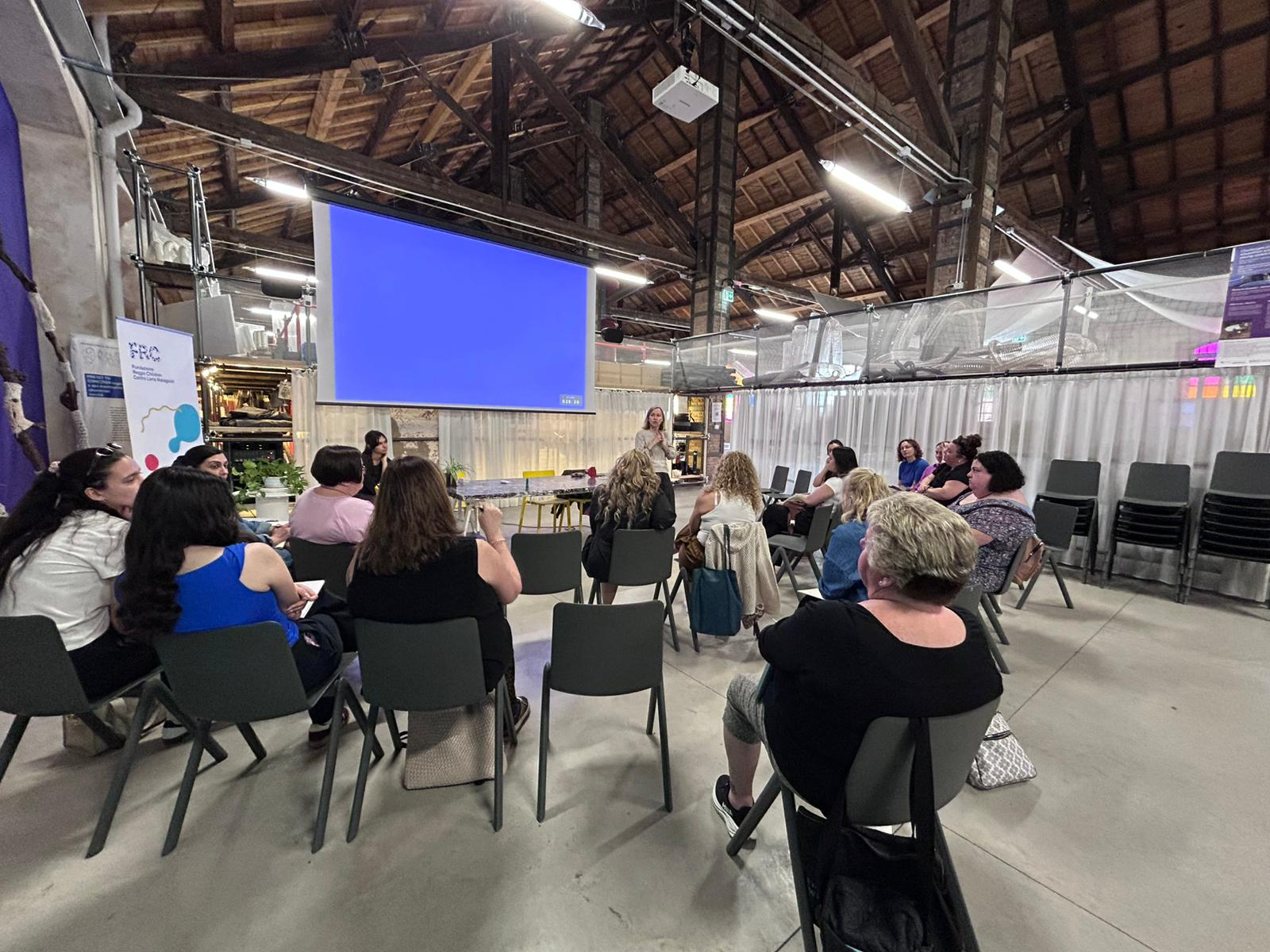
Today we toured the inspirational Remida center and attended a workshop where we were asked to think about sound as a material? Something we can describe, or even feel.
How accustomed are we really to listening to sounds?
We discovered how a municipality can participate in the life of a school while attending to the global environmental emergency of waste.
Day 2: Beyond the Classroom- How a City Becomes a School
Today marked the beginning of a journey into the heart of the Reggio Emilia Approach. We explored the history of Reggio Emilia and how the schools first began -
The schools were built by men and women together who, in the aftermath of the war, were determined to start something new and better for their children. Education is not only the responsibility of the schools, but rather it extends into the streets and the community - it is a shared "educational co-responsibility."
Two core philosophies that resonated deeply today:
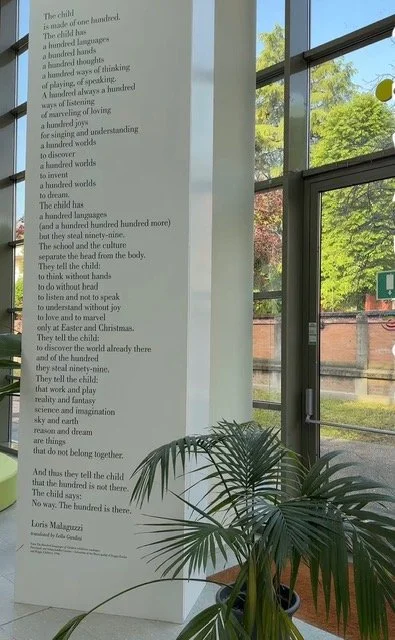
• The 100 Languages: A reminder that children have a hundred ways of thinking, expressing, and encountering the world.
• “Nothing Without Joy”: as educators, we are encouraged to research with children, not on them, ensuring that joy remains the centre of the experience.
In Reggio, the child is seen as a "natural resource" full of potential—a person with rights, not just needs, and so we ask you, “What is your image of the child?" and we leave you with this - to not fail in recognizing the immense potential of every child
Day 3: Witnessing the Living Pedagogy of Reggio Emilia
Today was truly incredible.
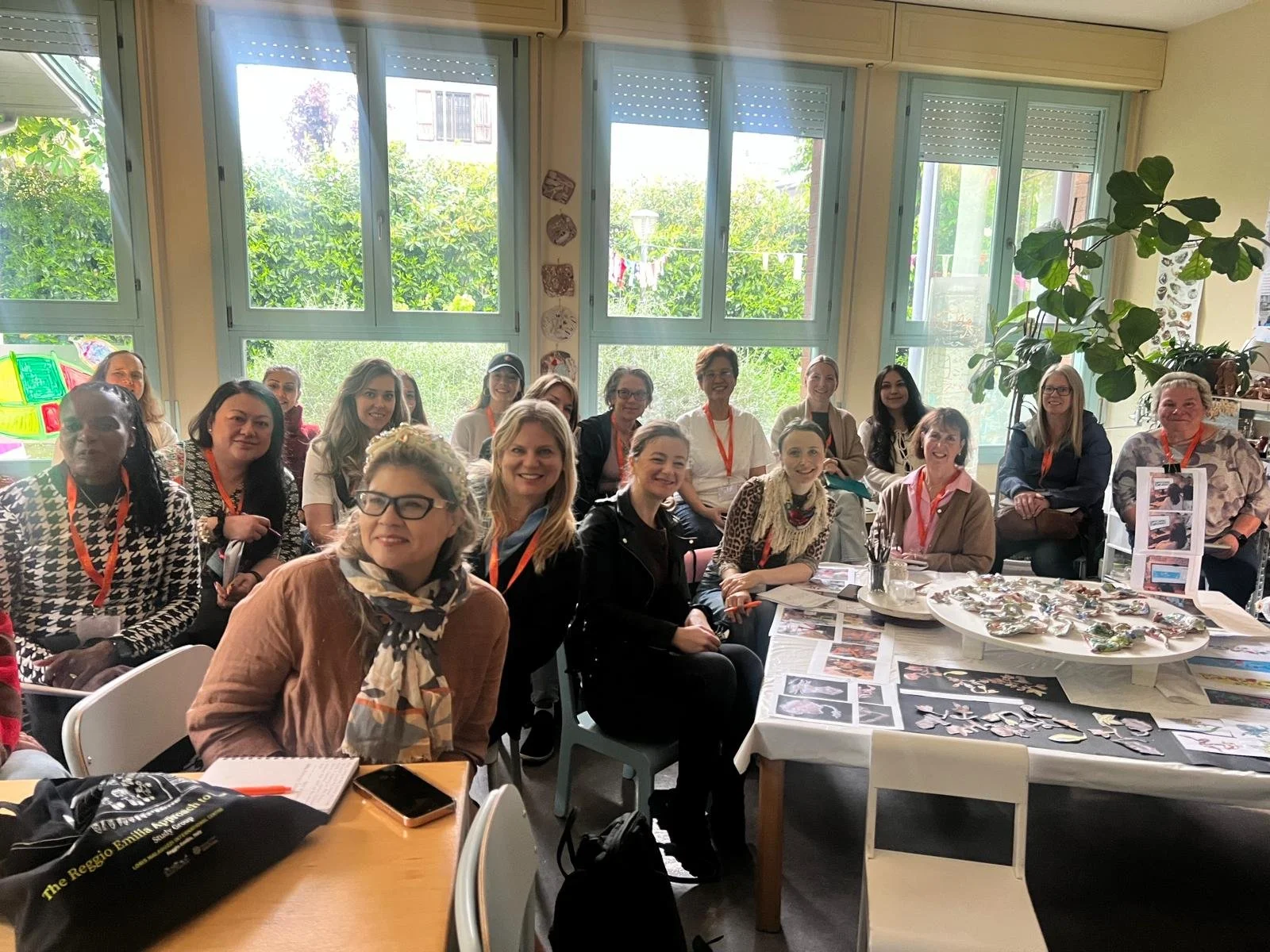
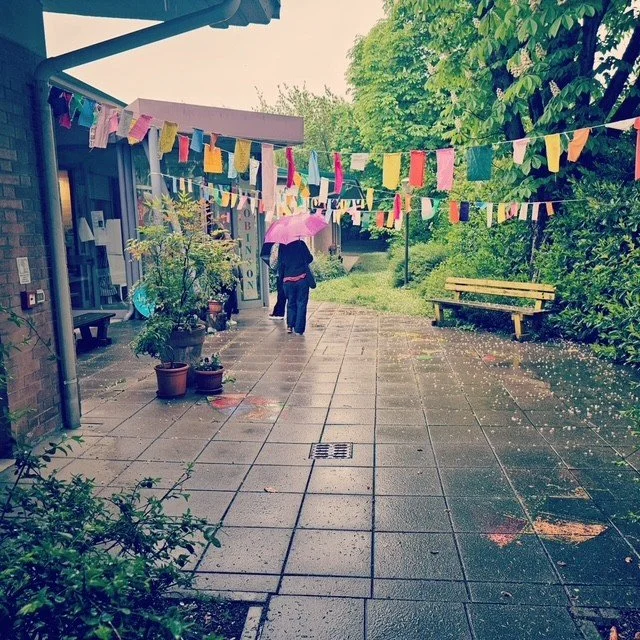
We had the privilege of visiting several Reggio Emilia early learning centres and being welcomed into their spaces while the children were actively engaged in their day. Experiencing the programs in real time made this visit especially meaningful! It was authentic and deeply inspiring.
We observed pedagogistas and educators working in small, intentional groups where relationships, dialogue, and inquiry were at the forefront. The way educators listened and responded, while co-constructing learning with the children was powerful to witness.
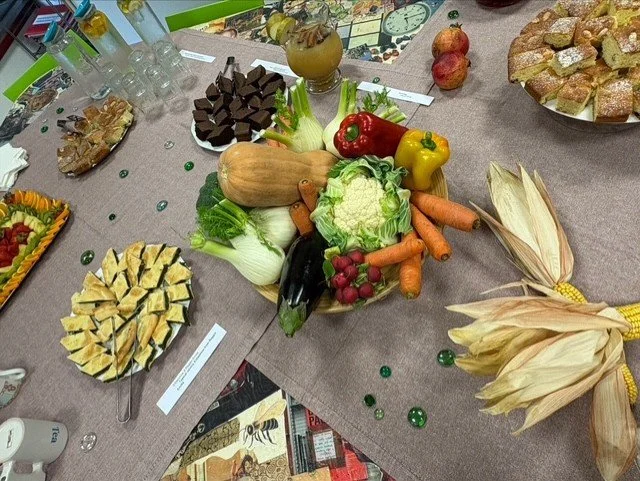
Across each centre, the pedagogy of food was clearly embedded in daily life. Children were involved in many steps, from growing and caring for food in their gardens to preparing meals alongside the cook. We watched children help make pasta and roll dough for breadsticks, fully engaged and proud of their contributions. There was also a strong sense of independence as children thoughtfully set the tables, preparing for shared meals. The connection from garden to table felt seamless and meaningful.
We were also fortunate to enjoy a variety of dishes prepared for us, many made with ingredients grown by the children, an experience that truly brought the learning to life.
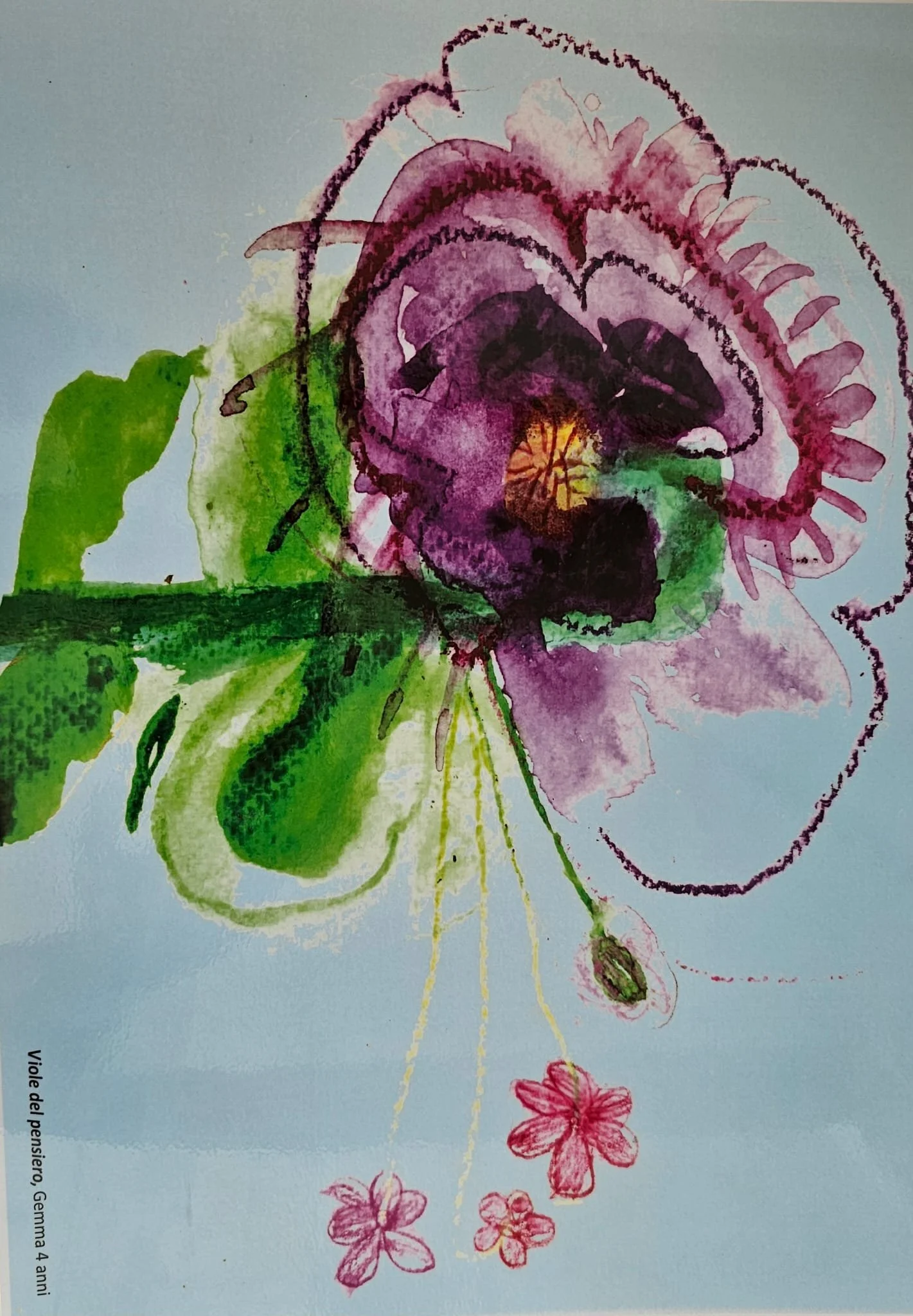
Documentation was visible throughout every space, highlighting children’s thinking, processes, and learning journeys with care and respect. One moment that stood out was seeing how children had explored a violet they had grown. Each child interpreted and painted it differently, showcasing their unique perspectives and creativity.
Today left us feeling inspired and grateful. To witness this level of intentional, child-centred practice in action was an incredible experience, one we will carry forward with us.
More to come as our journey continues.
Schools we visited: Cervi/Picasso, Girontondo, Lotti, Robinson, Diana, Balducci, Sole, Allende
Day 4: Families and Community of Reggio Emilia
Reggio Emilia is known as a City that values family and community first.
Its identity is rooted in everyday interactions in the many piazza’s and parks.
The value of children and community goes back to the 1960’s when Lorris Malaguzzi brought groups of children into the city centre so everyone could see their intelligence. In Reggio Emilia, children are seen as citizens the day they are born.
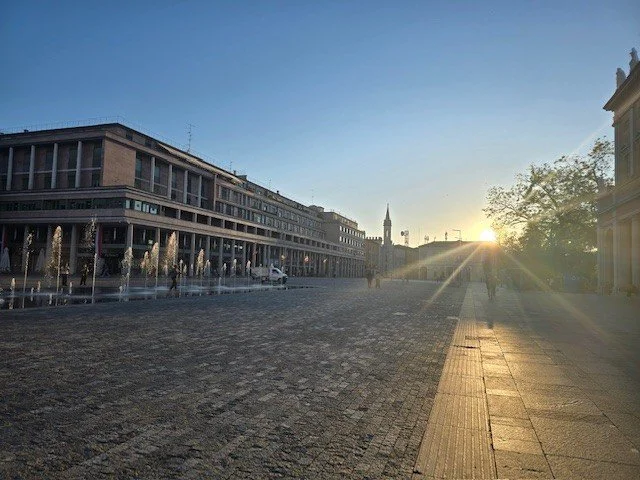
Last Sunday evening, while exploring the city centre and enjoying gelato, we sat in the piazza and watched and listened. We experienced family and friends sitting together, chatting, laughing, sharing food and drinks with their children close by.
Our eyes were drawn to two young boys kicking a ball to each other in the piazza. The boys looked to be around 7 and 3 years of age. The youngest of the boys noticed we were watching, he became more animated as we cheered them on.
He then approached us with a smile, high five, and saying bravo. Every time they kicked the ball we clapped and shouted bravo. He then came over for a high five each time.
We noticed his family watching our beautiful interactions, with kind smiles and no worry.
Prior to coming to Reggio Emilia, our individual focus was community and family engagement.
This experience will last a lifetime and showed us the value placed on family, relationships, gathering and sharing moments in the community.
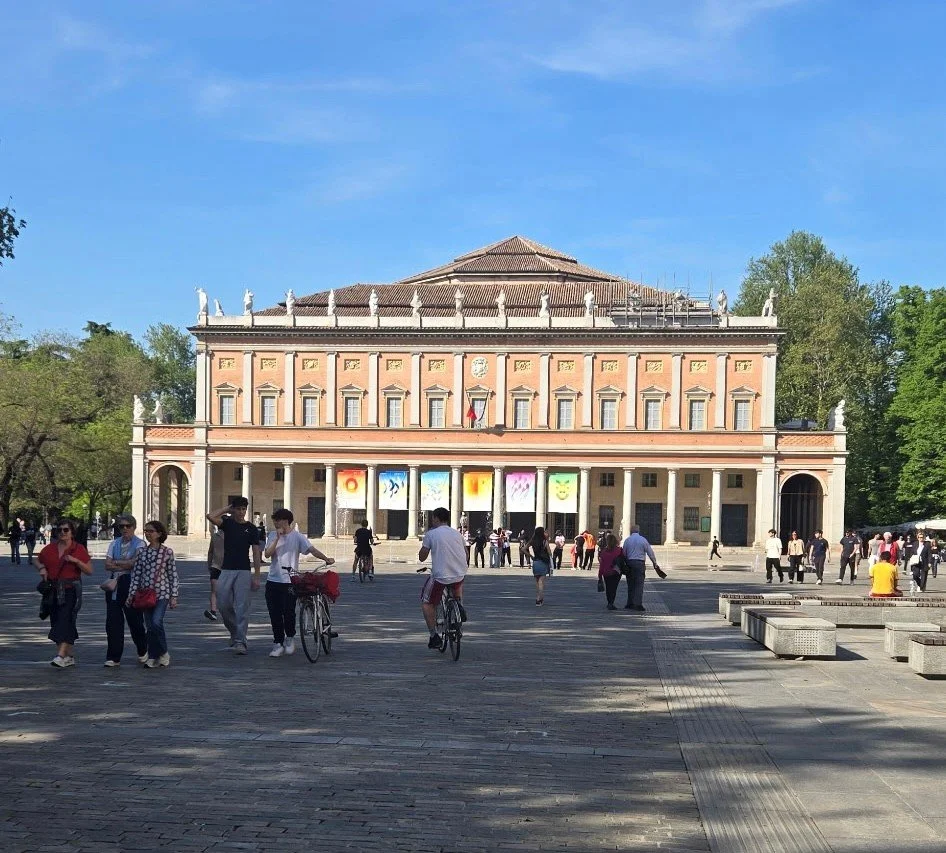
Day 5: Rediscovering Wonder Through the Atelier
One of the most powerful reminders from our time in Reggio Emilia is that: we must not lose our sense of wonder.
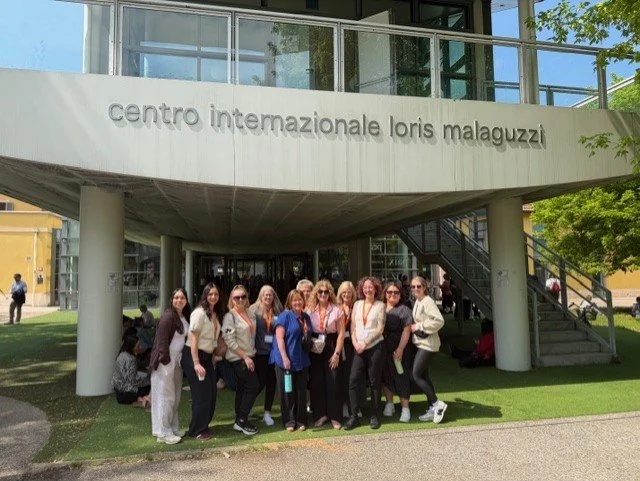
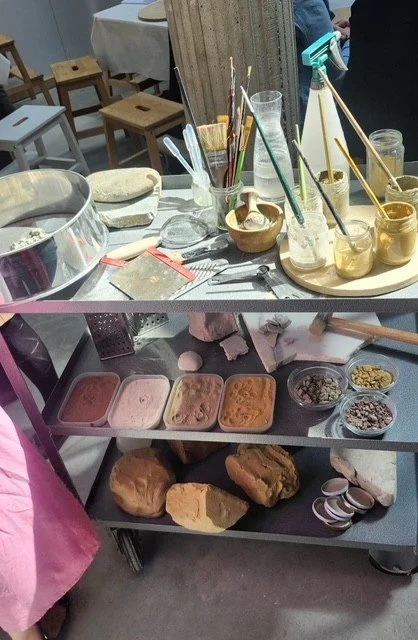
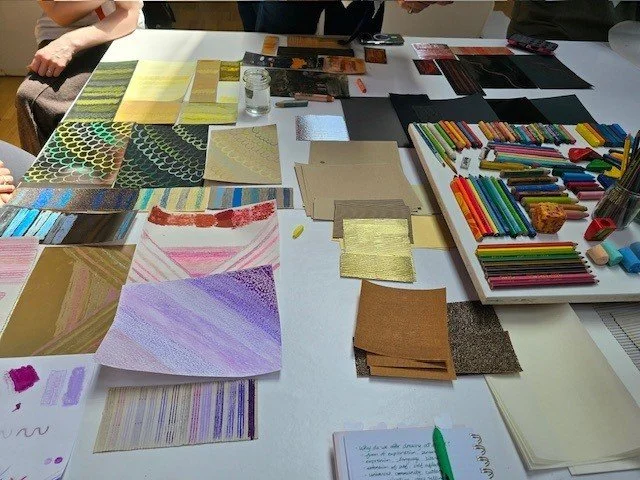
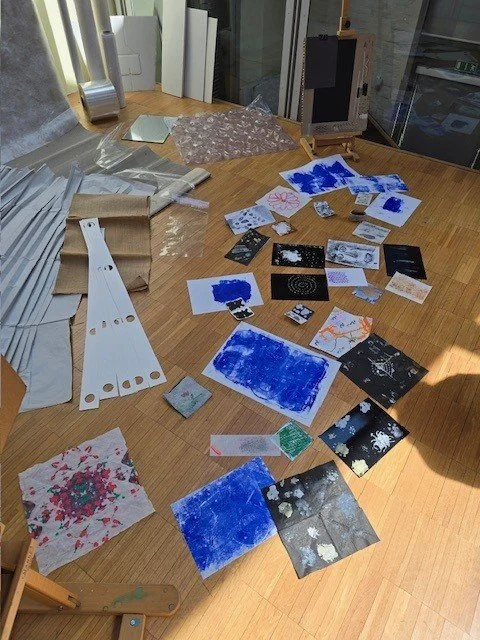
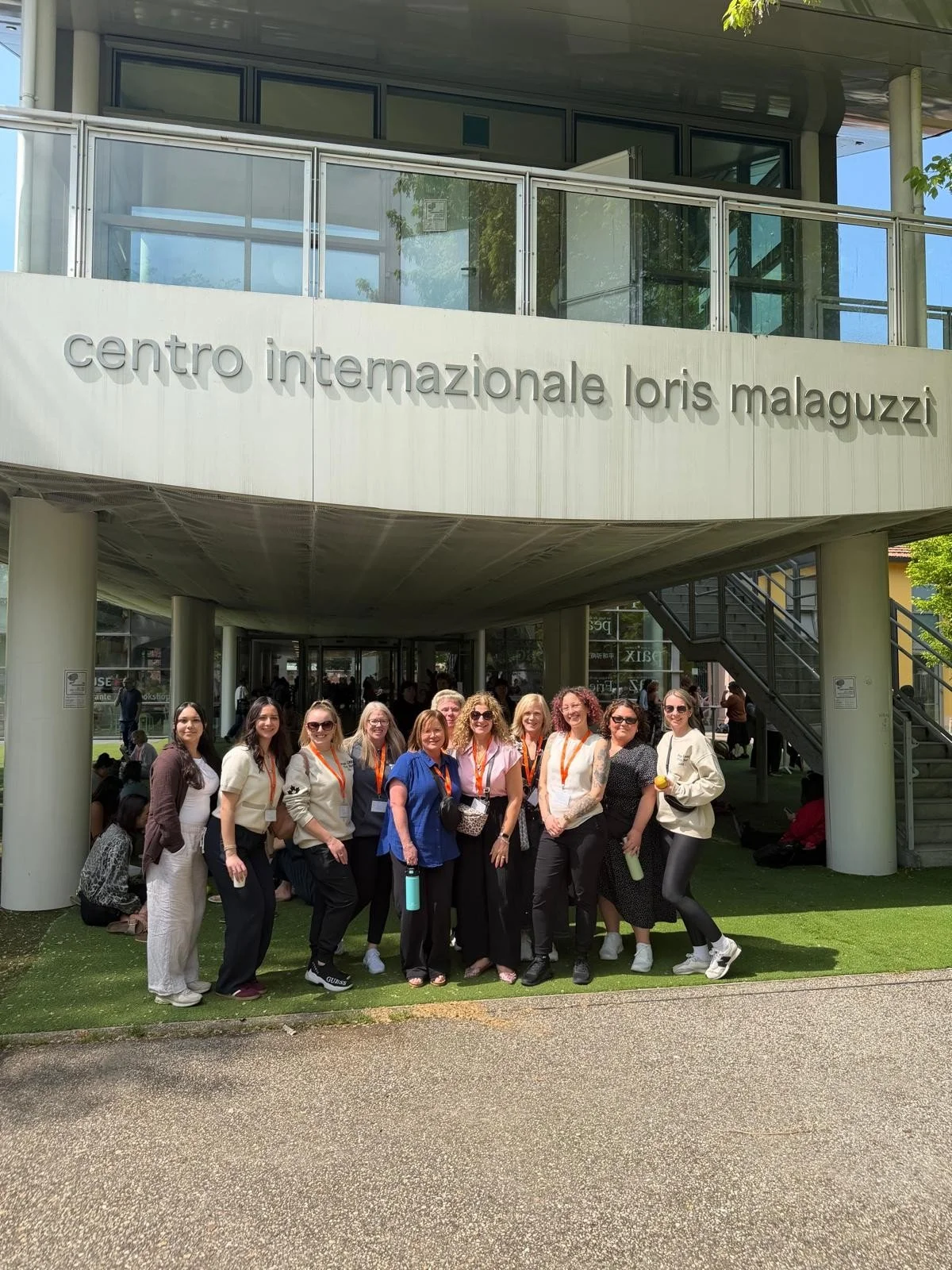
Today, we had the opportunity to explore a variety of atelier spaces at the Loris Malaguzzi Centre. The environments were intentionally designed to spark curiosity, creativity and deep learning amongst all of the educators. These ateliers invite us to slow down, immerse ourselves fully, and engage with learning through our hands, bodies, and minds.
We had the opportunity to visit the following ateliers offered to us:
Photography: drawing with light
A festival thought: visual metaphors and everyday life
Mosaic of marks, words, materials
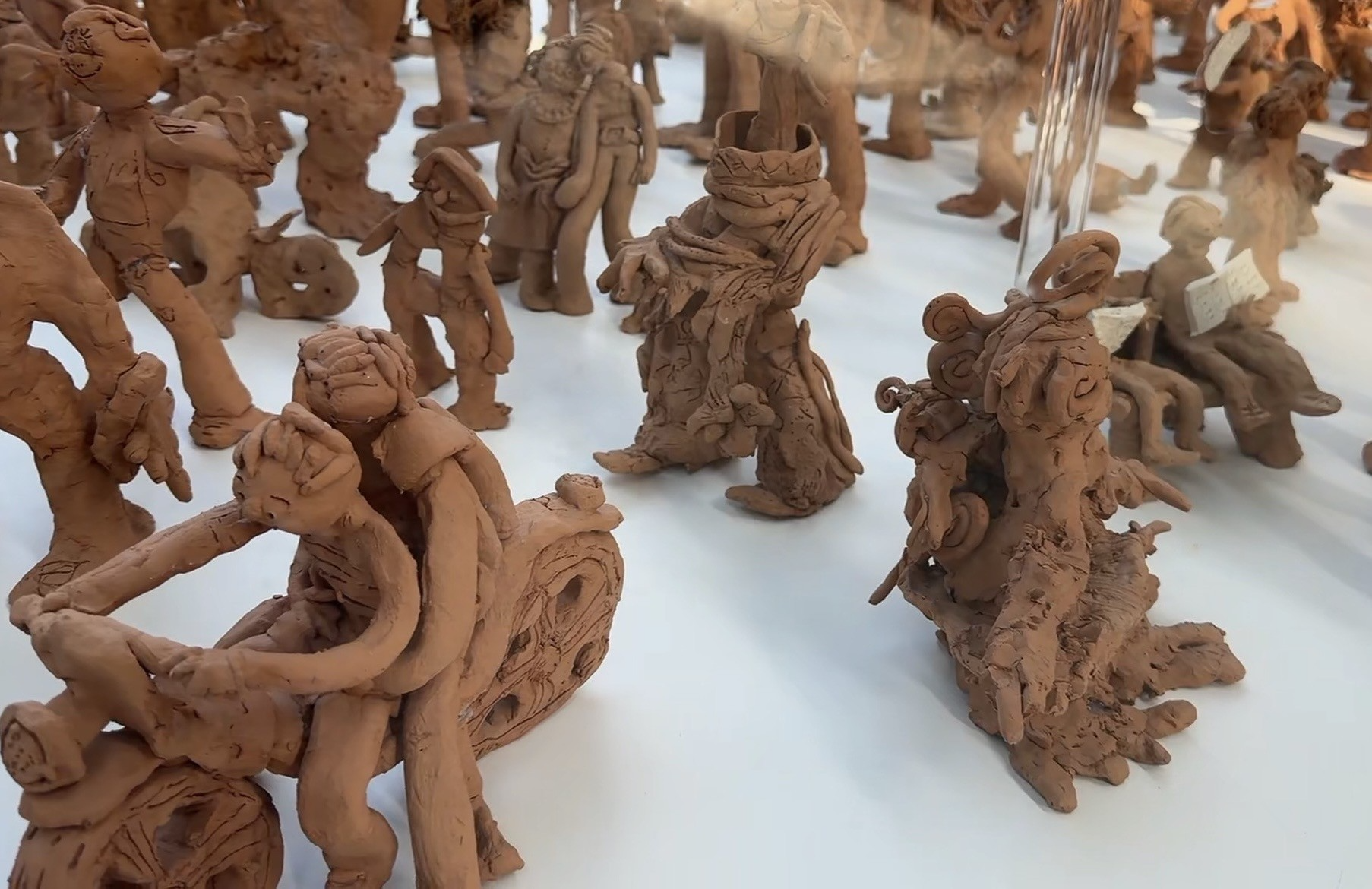
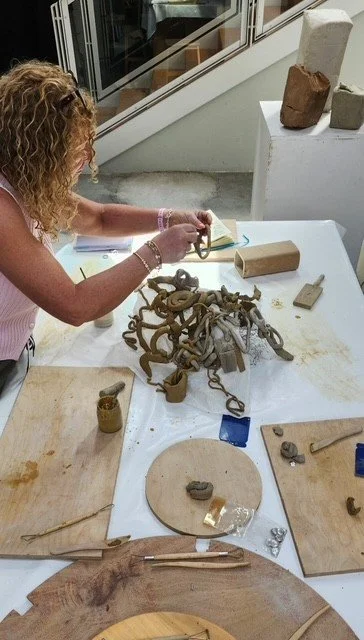
In the shape of clay
The languages of gears
The secrets of paper
The atelier also reflects the idea of the environment as the “third teacher.” The materials and spaces created an inviting atmosphere that encouraged discovery, collaboration and individual expression.
Another important insight is the role of documentation. Recording children’s learning allows educators to revisit ideas, reflect more deeply, and share learning with others.
As our day comes to an end and we reflect, we remind ourselves that "Here, time slows, materials speak and children's thinking becomes visible."
We look forward to implementing this new learning in our programs and working towards new goals and our vision one brick at a time.
A Collective Reflection: Words from Our Journey
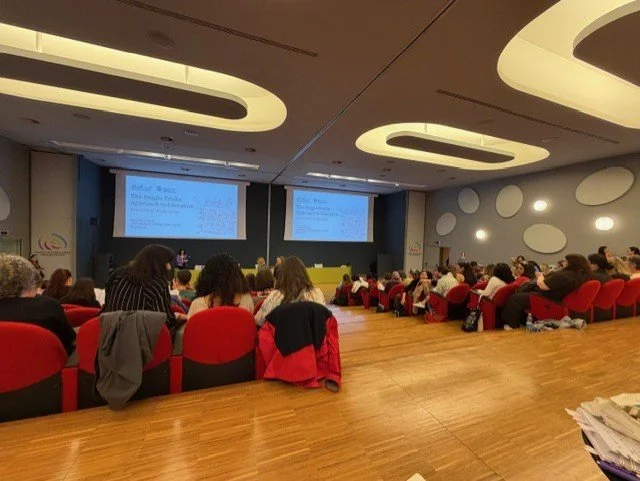
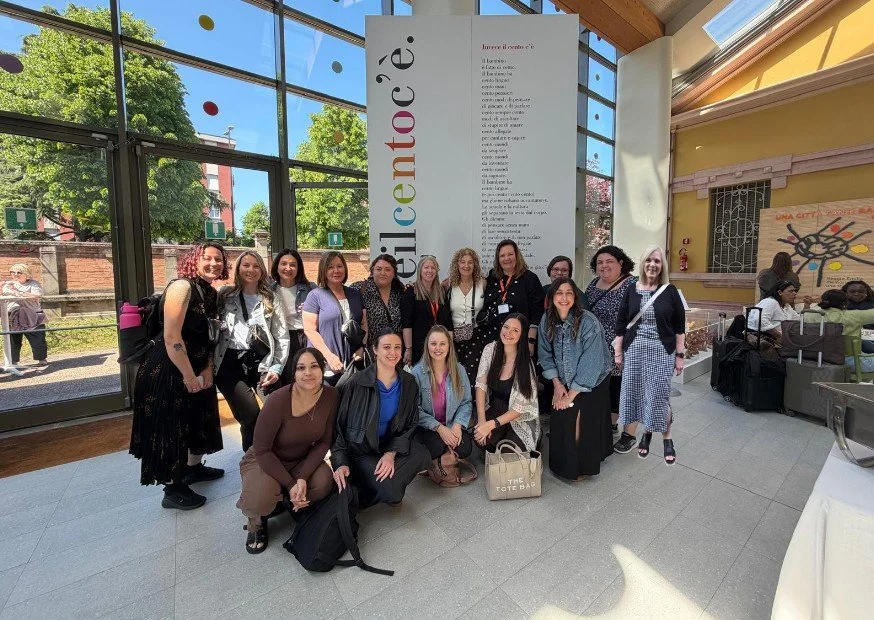
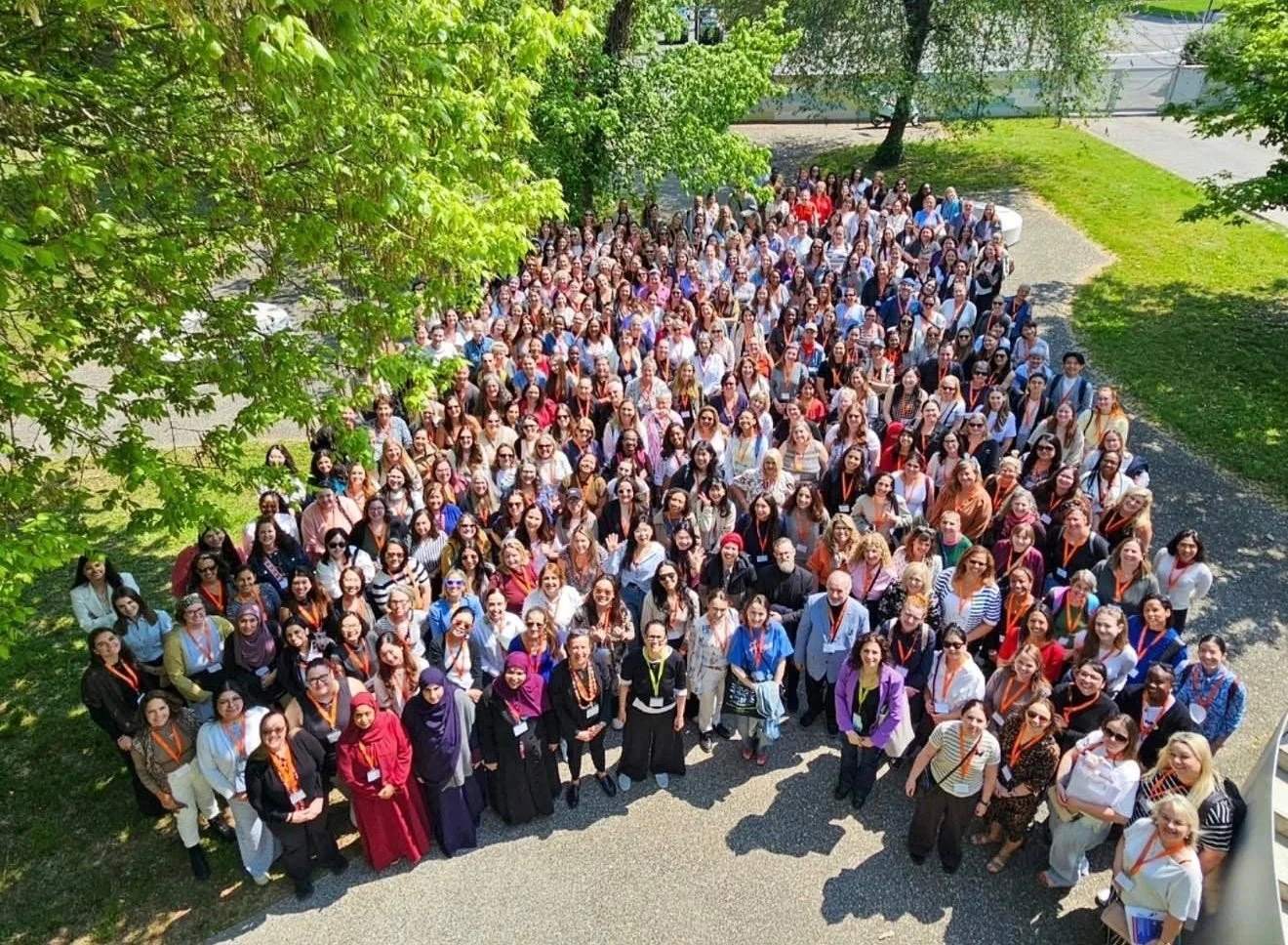
When we began this journey, we came together as a community representing over 47 countries and 380 educators. At the outset, we were asked a seemingly simple question: “What is your image of the child?” As the week unfolded, that question revealed its depth and complexity, inviting us into rich dialogue that both challenged and expanded our thinking. We leave feeling incredibly inspired and excited to continue this journey—not only within our own organization, but in meaningful collaboration with others across our community.
As we come to the end of this study tour—though not the end of our work—we leave with a renewed sense of purpose. We invited everyone to share one word to describe their experience, and together these words tell a powerful story: immersed, inspired, possibilities, time, inspirational, grateful, peace, enlightening, challenged, reflective, invigorating, participation, and process.
Together, these reflections speak to the power of collective thinking and shared experience. They tell a story of coming together to create environments that recognize the child as competent, capable, and deeply connected to their community from the very beginning.
Bianca Pellegrino Supervisor Winona Children Centre
Lisa Bellardini Director of Pedagogy HWCCCC
How a Windmill Made Us Slow Down
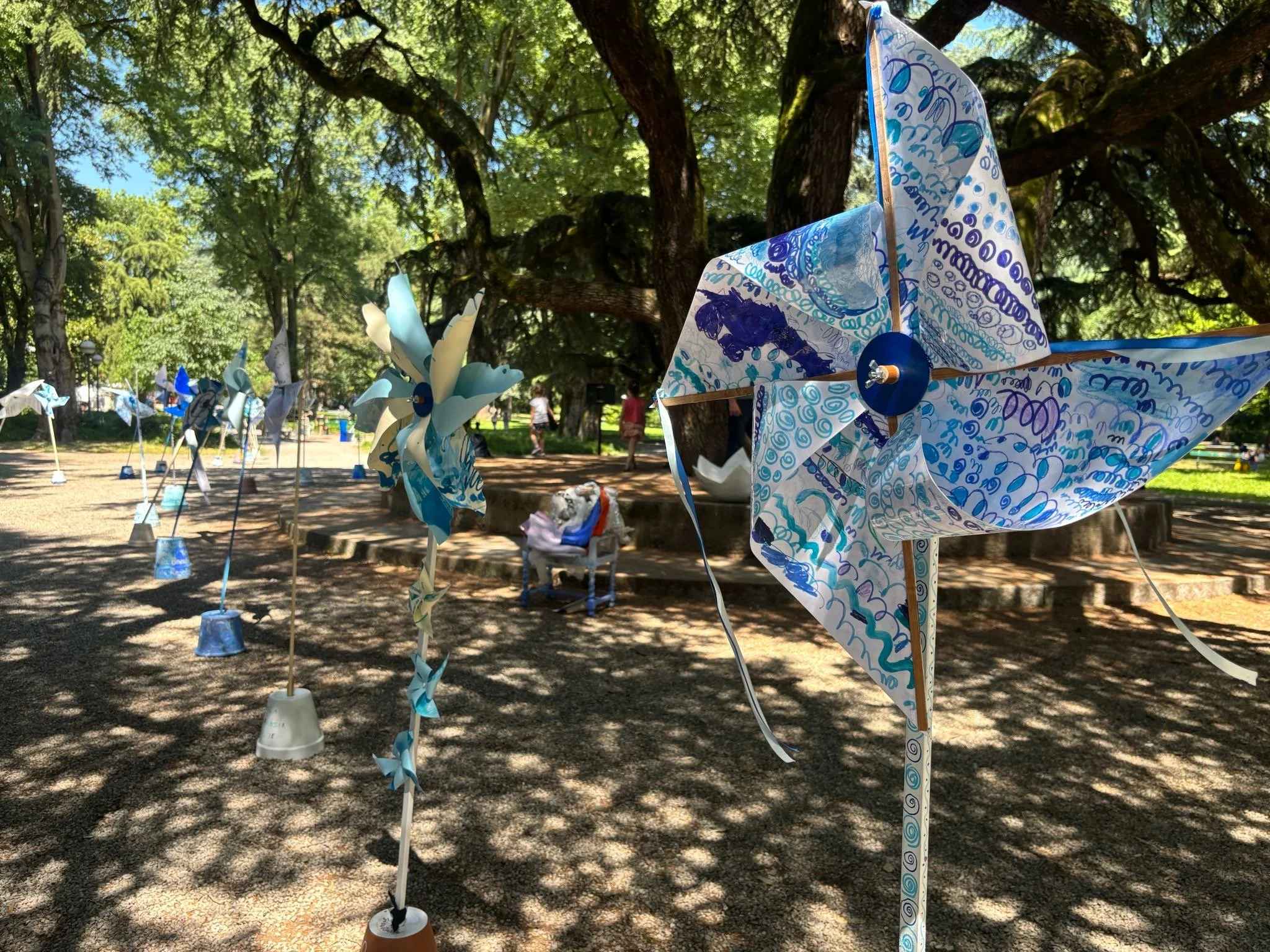
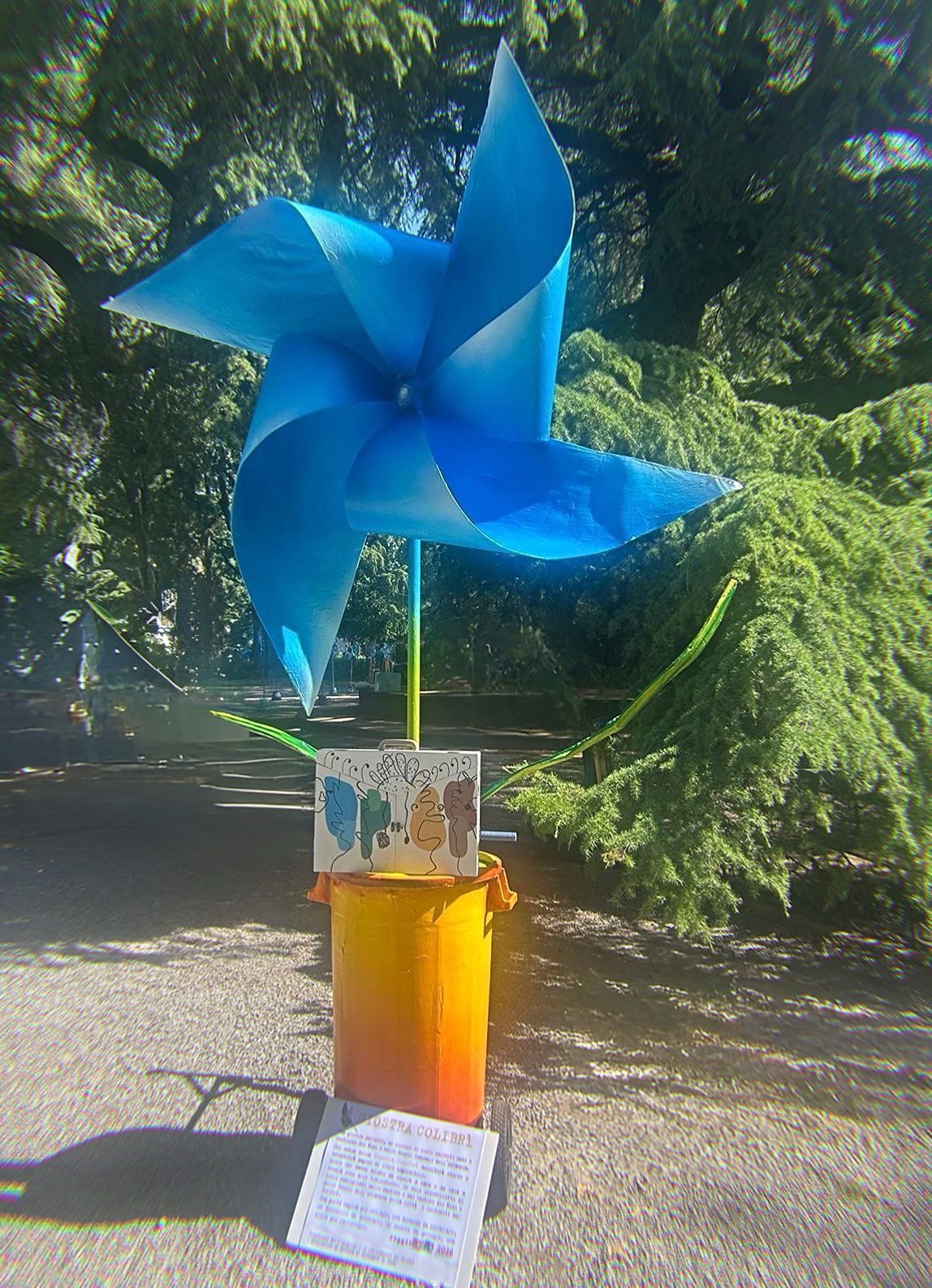
On a Sunday morning we wandered the park, listening to the wind in the trees, the birds singing and the city becoming alive. Children playing and families gathering. We noticed in the distance big blue windmills, creating a path, at the entrance was a sign Reggionara. What is Reggionara? What did we stumble upon?
Reggionarra is a storytelling festival in Reggio Emilia that brings children, families, educators, schools, and community members together through stories, imagination, listening, and shared experiences. It celebrates the importance of storytelling in children’s lives and reminds us that stories can come from many places: children’s voices, memories, art, families, community, and the world around them.
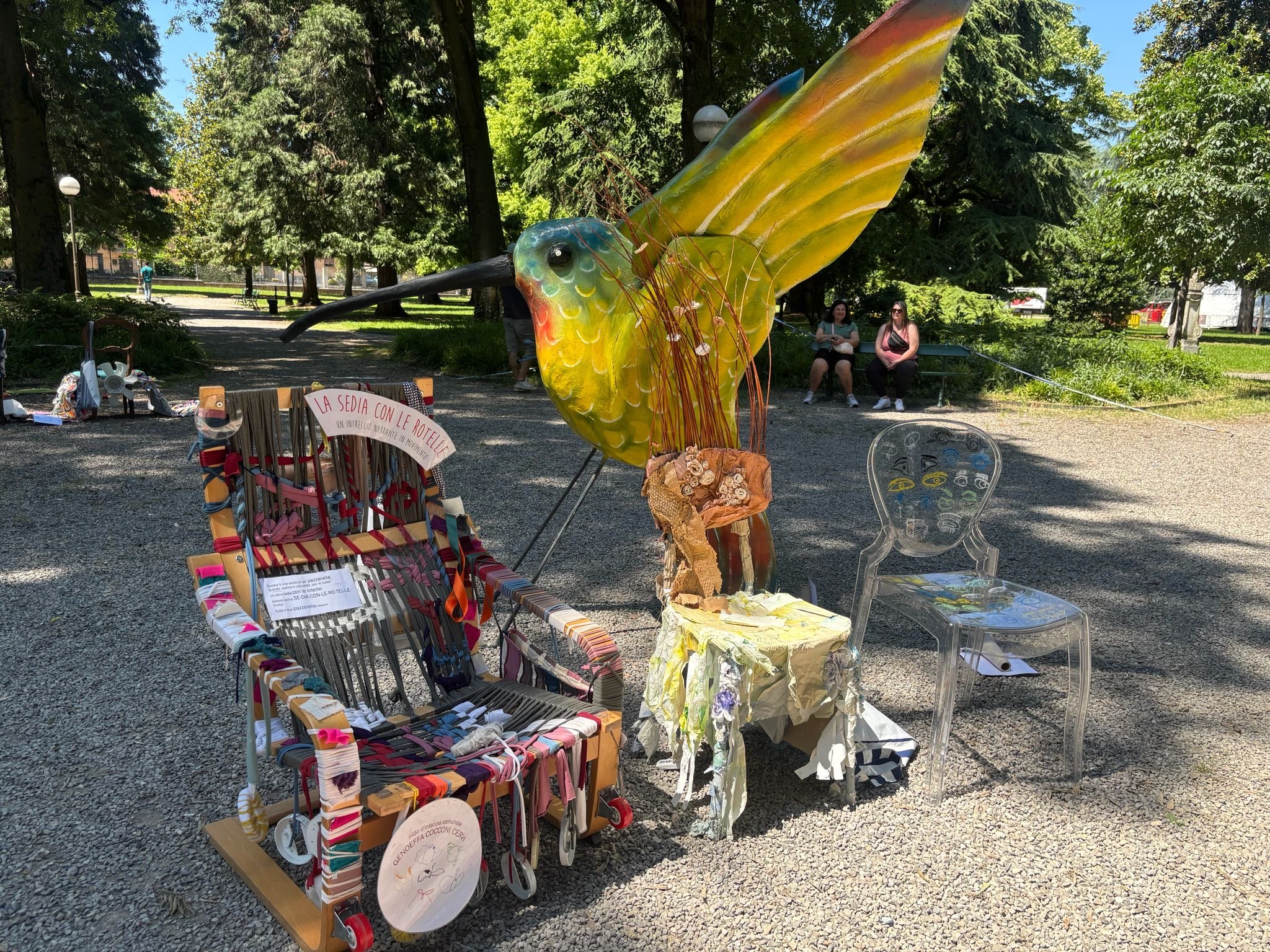
We were excited to be here during the festival of Reggionara. We observed families and the community gathering at the entrance of the windmill path. There was excitement in the air, and the children were eager to share their artwork with their families and the community.
One of the first things we noticed that the windmills and stands were white and blue. We began to ask questions, did they represent an ocean, the breeze, or the sky? What concept did they explore while creating the windmills. Later that evening we found out the event was called Winds of Peace, which helped bring even more meaning to what we had experienced that morning.
Before entering, there was an explanation of how we will proceed, to listen with intent and opened hearts. We were invited to breathe creating calm and intentionality. Each individual group was then called in, giving a sense of organization, peace, slowness.
There were approximately eight stations, and each station included storytelling. At each station, stories were shared in a way that invited everyone to pause, listen, and be present. The storytelling helped bring the children’s work to life and created a deeper connection between the artwork, the educators, the families, and the community. It showed how stories can hold children’s thinking, memories, imagination, and voices.
As we moved through the space, we noticed how much detail was in the children’s work. It made us reflect on whether this level of detail comes from children being given time to slow down, When children are given time and space to stay in thought, their work becomes deeper, more thoughtful, and more meaningful.
The connection and sense of belonging the children and educators have to the Reggionara festival is seen through a blue dress or blue ribbon in their hair. Through the emotions, smiles and laughter as they arrived and walk the path. Through the attention on the children’s faces as they listen to the stories and the animation of the storytellers. We saw what the city values during this glimpse of theirs day, the idea of community, wonder, diversity and engagement. The same values we share in our Organization.
So we left with more questions, about family and community engagement. About passion in our work, inspiring educators and working through our values. A windmill reminded us to slow down, to notice, and to be present in the moment.